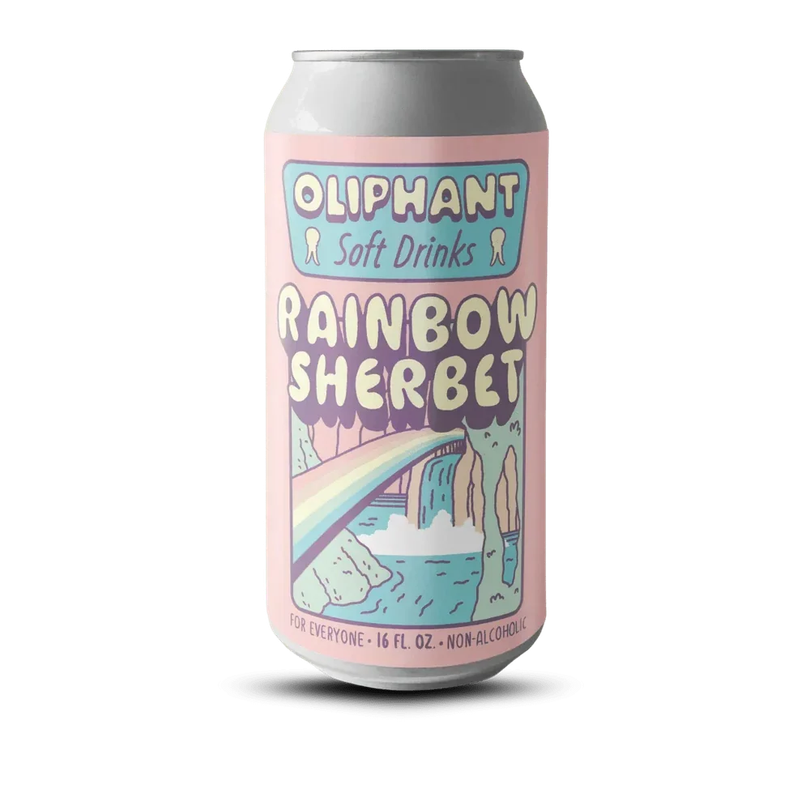

Cannabis-infused beverages are creating a new category within the drinks market, giving adult consumers another format beyond traditional products. Searches for thc soft drinks often lead to questions about ingredients, effects, serving sizes, regulations, and how these beverages differ from conventional soft drinks. Understanding those details can make it easier to assess the category and choose products responsibly.
Why are cannabis-infused drinks attracting attention?
Cannabis beverages combine familiar drink formats with cannabinoids, most commonly tetrahydrocannabinol (THC). They can resemble sparkling water, soda, lemonade, iced tea, or other ready-to-drink beverages, but their effects and regulatory requirements can be very different from ordinary refreshments.
Part of their appeal comes from convenience. A canned or bottled drink does not require the same preparation associated with some other cannabis products. Flavour also gives producers considerable room to experiment, from citrus and berry profiles to botanical and cola-inspired combinations.
The category is also attracting interest from consumers who prefer measured servings. Products sold through regulated channels generally provide information about cannabinoid content on the label, allowing buyers to understand the amount contained in a serving.
How do these drinks differ from ordinary soft drinks?
The most obvious difference is the presence of THC or other cannabinoids. Regular soft drinks are formulated primarily for flavour, refreshment, and texture. A cannabis-infused beverage is formulated with additional considerations around cannabinoid concentration, stability, labelling, and responsible consumption.
The onset and duration of effects can also differ from what consumers experience with inhaled cannabis. After a drink is consumed, cannabinoids must pass through the digestive system and be processed by the body. The timing can vary depending on the product, the individual, food intake, metabolism, and other factors.
That variation makes serving information particularly relevant. A beverage that looks similar to a standard soft drink should not automatically be treated like one.
What should consumers check on the label?
Packaging provides useful information before a product is opened. Consumers can check several details:
- THC content: Look for the amount per serving and, where provided, the total amount in the container.
- Serving size: A single can may contain more than one serving.
- Ingredients: Review sweeteners, flavourings, caffeine, allergens, and other ingredients.
- Cannabinoids: Some products contain CBD or other cannabinoids alongside THC.
- Testing information: Regulated products may provide details about testing or batch identification.
- Age and legal requirements: Cannabis beverage laws vary considerably by location.
Labels are especially useful for people who are unfamiliar with cannabis beverages. Reading the package before consumption can prevent accidental overconsumption caused by assuming the entire container represents one standard serving.
What affects the experience after drinking one?
There is no universal timeline that applies to every person or every beverage. Product formulation, serving size, individual metabolism, whether food has been consumed, and tolerance can all influence the experience.
A person who has little or no experience with THC may respond differently from someone accustomed to cannabis products. For this reason, responsible consumption generally involves paying attention to the labelled serving size and allowing sufficient time to understand the effects before consuming more.
Alcohol can also alter the experience and may increase impairment when combined with THC. Consumers should avoid driving or operating machinery after consuming an intoxicating cannabis beverage.
These considerations matter because the familiar appearance of a soft drink can make it easy to underestimate the difference between a conventional beverage and an intoxicating product.
How are brands developing better beverage experiences?
Product development extends beyond simply adding THC to a drink. Producers need to consider flavour, carbonation, cannabinoid dispersion, shelf stability, packaging, serving size, and consumer expectations.
Some brands are working with familiar beverage styles because they provide an accessible starting point for consumers. Others are developing more distinctive flavour combinations designed specifically for cannabis beverages.
Oliphant Brewing illustrates how beverage producers can approach the category through a broader drinks perspective, where flavour, formulation, presentation, and the drinking occasion all influence the finished product.
Consistency is another major consideration. Consumers expect the stated cannabinoid content to correspond with the actual product, making formulation and quality control particularly significant for manufacturers operating within regulated markets.
Where do cannabis beverages fit into social occasions?
Cannabis drinks can occupy a different place from traditional alcoholic beverages. A consumer might choose a non-alcoholic cannabis beverage at a gathering, while relaxing at home, or alongside a meal. The format also gives producers an opportunity to develop beverages that focus heavily on flavour rather than trying to imitate alcoholic drinks.
That does not mean every cannabis beverage is suitable for every setting. THC can cause impairment, and products should be kept away from children and anyone who should not consume them. Storage and serving practices therefore matter just as much as flavour and presentation.
For retailers and hospitality businesses, clear product information can help customers understand what they are purchasing before consumption.
What should businesses consider before selling cannabis beverages?
Businesses entering the category need to examine the laws that apply in their specific market. Rules can cover THC limits, permitted ingredients, packaging, labelling, advertising, age restrictions, testing, distribution, and where products may be sold.
Those requirements can differ between countries, states, provinces, and municipalities. A beverage that is permitted in one jurisdiction may be restricted or prohibited in another.
Businesses should also consider refrigeration, inventory controls, staff training, product identification, and responsible-service procedures. Clear internal processes can reduce the chance of products being confused with ordinary soft drinks, particularly where packaging looks similar.
Marketing requires care as well. Cannabis products should be promoted only through channels and methods permitted by applicable regulations, with claims that accurately reflect the product.
A changing beverage category with plenty to consider
Cannabis-infused drinks sit at the intersection of beverage production, consumer culture, and regulated cannabis markets. Their familiar format makes them approachable, but their THC content means they require more consideration than conventional soft drinks.
For consumers, that starts with reading the label, understanding serving sizes, recognising potential impairment, and following local laws. For businesses, it means paying attention to formulation, testing, packaging, responsible service, and market-specific regulations. Anyone researching products or considering entering the category can contact us today to discuss beverage options and learn more about what to consider before making a decision.