

Real talk, keeping up with media today can feel like chasing a train that never stops. There’s always a new platform, a new type of content, or a trend going viral overnight. That’s why understanding media industry trends isn’t just for professionals—it’s for anyone who wants to navigate this space without feeling lost. Think of it as a roadmap, helping you figure out what’s hot, what’s fading, and what’s worth your attention. The media world can be overwhelming, but once you start noticing patterns, it becomes much easier to make sense of it all. From streaming and social media to AI and immersive experiences, the way content is created, distributed, and consumed is constantly evolving. For beginners, this might sound intimidating, but the good news is that you don’t need to know everything at once. By observing the big shifts and experimenting gradually, you can start to understand what works and what doesn’t, whether you’re creating your own content, promoting something, or just trying to stay informed.
The Rise of Streaming and On-Demand Content

Here’s the deal: people want their entertainment on their schedule. Gone are the days when waiting for a weekly episode was exciting. Streaming platforms like Netflix, Disney+, Amazon Prime, and others have completely changed how audiences consume content. On-demand viewing is now the norm, which means content creators and marketers must adapt to meet audiences wherever they are. Beginners often ask how this trend affects them, and the answer is simple: it changes the way you think about content. You need to focus on creating engaging stories that can grab attention quickly, whether it’s through episodic storytelling, short-form videos, or cross-platform strategies. It also means understanding your audience’s habits—what times they watch, what devices they use, and what types of content they engage with most. Learning to adapt your approach to streaming habits can make a huge difference in how your content performs and how your audience connects with it. The rise of streaming also creates opportunities for experimentation. You can test different formats, measure engagement, and tweak your content based on real audience feedback. This flexibility is a major advantage for beginners because it allows you to learn as you go, without needing massive budgets or complex setups.
Personalized Experiences Are Everything
Another major trend shaping the media industry is personalization. Platforms now use algorithms to recommend content based on user preferences, which can feel a bit overwhelming at first, but it’s actually a huge opportunity. For beginners, this means that understanding your audience is more important than ever. Personalized content allows creators to tailor their work to meet the specific interests of viewers, which increases engagement and loyalty. When you pay attention to what your audience responds to, you can create content that feels more meaningful and relevant. Personalization doesn’t just benefit big companies—it’s a tool that anyone can use. By analyzing the performance of your posts, videos, or articles, you can start to see patterns in what people like and dislike. This helps you refine your approach, make smarter decisions, and connect with your audience on a deeper level. Over time, building this understanding can give you an edge, helping your content stand out in a crowded media landscape.
Short-Form Content Dominates the Feed
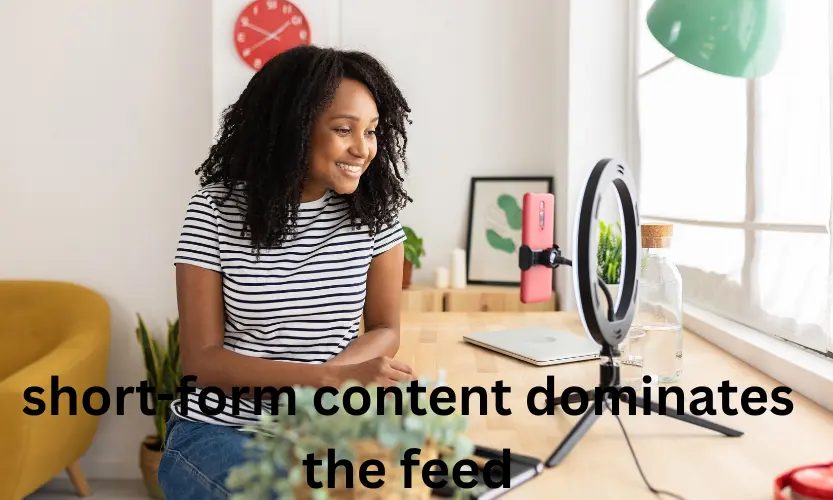
Real talk, if you’re not creating short, engaging content, you’re missing out on a huge opportunity. Platforms like TikTok, Instagram Reels, and YouTube Shorts have made short-form videos the go-to format for audiences. Beginners often worry that producing these videos requires perfection or expensive equipment, but the truth is that authenticity and creativity matter more than polish. The key is to grab attention quickly, usually within the first few seconds, and deliver a clear, engaging message. Short-form content is also perfect for experimentation. You can try different ideas, test various hooks, and see what resonates with your audience without investing too much time or money. The trend toward short-form content highlights the importance of adaptability in the media industry. If you can create engaging videos that capture attention fast, you can increase reach, engagement, and visibility, which is essential for growing your presence online. Even small creators can benefit from short-form content, as it allows them to reach wider audiences and gain traction quickly.
Immersive Tech: AR, VR, and Beyond
The media industry is increasingly moving beyond traditional content formats. AR, VR, and other immersive technologies are changing the way audiences experience media. Beginners might feel intimidated by these tools, but even simple implementations like AR filters, interactive posts, or 360-degree videos can create engaging experiences. Immersive tech allows audiences to feel like they are part of the story, which makes content more memorable and engaging. This is especially valuable for marketers and creators who want to stand out in a crowded space. Using immersive technology doesn’t have to be complicated or expensive. There are many beginner-friendly tools and apps that allow you to experiment with interactive experiences. The key is to focus on adding value for your audience and creating content that encourages interaction, rather than just passive consumption. By embracing immersive technology, you can differentiate your content and create experiences that audiences are more likely to remember and share.
Influencers and Collaborative Content
Influencers continue to play a huge role in shaping media industry trends. Collaborating with influencers can amplify your reach and connect you with engaged audiences. Beginners often think influencer partnerships require huge budgets, but that’s not always the case. Micro-influencers with smaller, highly engaged followings can be incredibly effective for collaboration. The focus should be on building authentic relationships rather than just chasing numbers. Collaborative content can take many forms, from co-created videos and challenges to shared campaigns or guest appearances. This approach not only expands your audience but also brings fresh ideas and perspectives to your content. For beginners, influencer collaborations are a great way to learn from others, gain exposure, and experiment with different types of content without taking all the risk on your own.
AI and Automation in Media
Artificial intelligence is changing the way media is created, distributed, and consumed. Beginners might worry that AI will replace creativity, but in reality, it enhances it. AI tools can help generate ideas, automate repetitive tasks, and analyze audience data, freeing up time for creators to focus on storytelling. From scheduling posts to analyzing engagement metrics, AI makes it easier to work smarter rather than harder. For beginners, using AI doesn’t require technical expertise—it’s about leveraging the right tools to save time and make data-driven decisions. AI also opens up opportunities for experimentation, allowing you to test different formats, messaging, and strategies with confidence. The combination of human creativity and AI efficiency is shaping the future of media, giving beginners a powerful set of tools to succeed in a competitive landscape.
You may also like these
Unlock Powerful Growth with Digital Strategy Examples That Work
Unlock the Power of Social Media Strategies for Maximum Growth
Content Marketing Strategies That Build Trust and Drive Real Growth
Powerful digital growth strategies to scale your online success
Online Business Strategies That Help You Build a Profitable Brand
Why Keeping Up with Trends Matters
Even if you’re not a professional, understanding media industry trends helps you make smarter decisions online. Whether you’re building a personal brand, sharing creative work, or simply staying informed, knowing what’s trending allows you to connect with your audience more effectively. Following trends can help you spot opportunities early, avoid outdated strategies, and create content that resonates. It also gives you a clearer sense of what works, what doesn’t, and how your audience behaves. Keeping up with trends doesn’t mean copying others—it means understanding the direction of the industry and using that knowledge to guide your own decisions. For beginners, this approach builds confidence, improves creativity, and provides a framework for experimenting without feeling lost.
Actionable Checklist for Beginners
Observe your audience to understand what they like, share, or comment on
Experiment with short-form content and track engagement to see what works
Explore one immersive technology tool like AR filters or interactive posts
Collaborate with peers or micro-influencers to expand reach and gain insights
Use AI tools to save time, generate ideas, and analyze performance
Wrapping It Up: Keep It Simple and Enjoy the Process
No fluff, here’s the truth: media is constantly changing, and that’s okay. You don’t have to master everything at once. Start small, focus on what excites you, and keep learning. By paying attention to the big media industry trends, you’re setting yourself up for creativity, growth, and connection. Even small steps matter—experiment, engage, and celebrate your wins. Stick to your curiosity, take notes on what works, and remember that learning and improving is a journey. Over time, you’ll see how much these media industry trends can open doors, build skills, and create opportunities that you never imagined. Keep exploring, keep creating, and most importantly, enjoy the ride.
FAQs
What are the current media industry trends shaping content today?
The media industry trends today focus on streaming services, personalized content, immersive experiences like AR/VR, influencer collaborations, and AI-driven content creation to engage audiences more effectively.
How is social media impacting media industry trends?
Social media plays a major role by driving short-form content, trending topics, and user-generated content, which shapes what audiences want and how brands deliver media experiences.
Which technologies are influencing media industry trends?
Technologies like artificial intelligence, augmented reality, virtual reality, cloud computing, and advanced analytics are transforming production, distribution, and audience engagement in the media industry.
How are consumer preferences changing media industry trends?
Consumers now demand on-demand, interactive, and personalized experiences, pushing the media industry to innovate with streaming, mobile-first content, and immersive storytelling.
Why are media industry trends important for businesses?
Understanding media industry trends helps businesses stay competitive, reach audiences effectively, create relevant content, and leverage new technologies to maximize engagement and growth.


