


Keeping up with latest media trends can honestly feel like trying to drink from a fire hose. One minute you are scrolling casually, the next minute you hear new terms, platforms, formats, and tools that everyone else seems to understand except you. Beginners often feel lost because media today is not just television or newspapers anymore, it is social media, streaming, podcasts, online communities, and even private group chats. The struggle is real because media changes fast, expectations keep shifting, and there is constant pressure to stay updated. Many people quietly worry that they are behind or that they will never catch up. Here is the deal though, media is not a race and you are not failing if you do not know everything. This article is written like a calm, friendly conversation to help you understand what is going on, why it matters, and how you can approach modern media without stress or confusion.
What media actually means in everyday life
Media today is woven into almost every moment of daily life. It is how you learn about the world, how you relax, how you communicate, and even how you shape your opinions. Media is no longer limited to large companies pushing information outward. It is now a shared space where people create, comment, remix, and respond. This is why media feels louder and more personal at the same time. For beginners, understanding this shift is important because it explains why media feels overwhelming. You are not just watching or reading anymore, you are participating whether you realize it or not.
Why media feels impossible to escape
From the moment you wake up, media is present in notifications, messages, videos, and headlines. Even silence feels filled with content waiting to be consumed. This constant presence can make people feel tired and mentally cluttered. Media trends emerge quickly because attention moves quickly. Understanding that this is a system designed around engagement helps beginners stop blaming themselves for feeling exhausted or confused.
Why beginners often feel overwhelmed by media trends
The biggest challenge beginners face is not a lack of intelligence or curiosity, it is overload. There is simply too much information coming from too many directions. Everyone has an opinion, every platform promotes something different, and trends seem to contradict each other. Beginners also struggle because most explanations are designed for professionals, not everyday users. This creates a gap where people feel excluded or intimidated. Another common issue is comparison. When you see others confidently using new platforms or language, it is easy to feel behind. In reality, most people are learning as they go, even if they do not admit it.
The pressure to stay relevant
Relevance has become a quiet source of anxiety. People worry that if they do not understand what is trending, they will fall out of conversations or opportunities. This pressure often leads to chasing every trend, which creates burnout instead of clarity. A healthier approach is understanding trends at a basic level and choosing what actually matters to you.
The shift from traditional to digital-first media
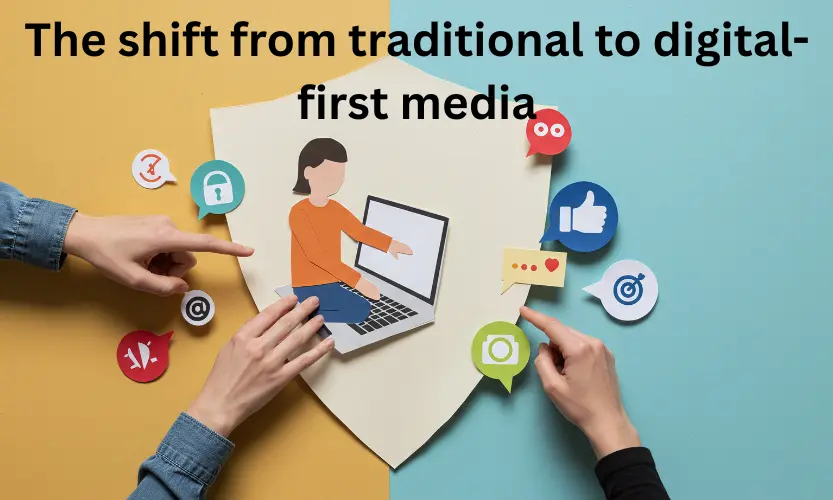
Traditional media like television, radio, and newspapers still exist, but digital media now leads how information spreads. Social platforms break news faster than news channels, and creators influence opinions more than institutions. This shift matters because it changes who holds power in media. Ordinary people can now shape narratives, build audiences, and influence culture. For beginners, this means you are not just a consumer, you are part of the ecosystem whether you post content or not.
Why digital-first media feels more personal
Digital media feels personal because it is tailored to individual interests. Algorithms show you content based on what you like, watch, or engage with. This creates a feeling that media understands you, but it can also trap you in familiar perspectives. Being aware of this helps beginners consume content more consciously.
Short-form content and changing attention habits
Short videos, quick posts, and brief clips dominate modern media because they fit into busy lives. People scroll during breaks, commutes, and quiet moments. Short content feels easier to digest, but it also trains attention to move quickly. Beginners sometimes worry that they cannot focus anymore, but this is a shared experience shaped by media design.
How to engage with short content wisely
Short content is not bad, but balance matters. Use it for discovery and entertainment, not as your only source of information. Slowing down occasionally helps rebuild focus and understanding.
The rise of creators and relatable voices
One of the biggest changes in media is the rise of individual creators. People trust faces, voices, and stories more than polished corporate messages. Creators feel approachable because they share real experiences and emotions. This shift has lowered the barrier to entry, making media creation feel possible for beginners.
Why authenticity matters more than perfection
Audiences respond to honesty, not flawless production. Small mistakes or informal language often make content feel more human. For beginners, this is reassuring because it means you do not need expensive tools or expert skills to participate.
Social media as interaction, not performance
Social media used to feel like a stage where people performed for attention. Now it is more about interaction, replies, and shared moments. Engagement matters as much as posting. Beginners often overlook this and focus only on creating content, forgetting that media is a conversation.
Building comfort with interaction
Commenting, reacting, and sharing thoughts are simple ways to participate. You do not need to go viral to feel connected or visible.
Streaming culture and on-demand expectations
Streaming platforms changed how people watch and listen. Audiences expect choice, flexibility, and control. This has influenced everything from storytelling to release schedules. Content now needs to capture interest quickly because viewers can leave at any moment.
What this means for attention
People are less patient with slow starts. For beginners creating or consuming content, understanding this helps explain why pacing and clarity matter more than ever.
Algorithms and invisible decision-making
Algorithms quietly shape what you see by prioritizing content that keeps you engaged. They are not personal judges, but systems responding to patterns. Beginners often feel frustrated when content does not perform well or when feeds feel repetitive.
A healthier way to think about algorithms
Instead of trying to outsmart algorithms, focus on clarity and relevance. Algorithms follow people, not the other way around.
AI and automation in modern media
AI tools are becoming common in editing, recommendations, and content assistance. This creates excitement and fear at the same time. Beginners often worry that AI will replace creativity.
Understanding AI as a helper
AI works best as support, not replacement. Human ideas, judgment, and emotion remain central to meaningful media.
Visual storytelling taking center stage
Images and videos dominate because they communicate quickly. Visuals help simplify complex ideas and capture attention. Beginners sometimes feel discouraged by this, thinking they need advanced skills.
Keeping visuals simple
Clear visuals that support a message are enough. Simplicity often works better than complexity.
Audio content and screen-free engagement
Podcasts and audio clips continue to grow because they fit into busy routines. Audio allows storytelling without demanding full attention.
Why audio feels personal
Hearing a voice creates intimacy and trust. This makes audio powerful for connection and learning.
Authenticity becoming a core value
Perfect, polished content is losing its appeal. Audiences want honesty, transparency, and real emotion. This trend reduces pressure on beginners and encourages experimentation.
Community-focused media spaces
Smaller communities are becoming more important than massive audiences. People want spaces where they feel seen and understood.
Why this benefits beginners
You do not need millions of followers to matter. Meaningful connection often happens in small groups.
Media literacy as a life skill
Understanding how media works helps people navigate information responsibly. This includes questioning sources, motives, and context.
Simple habit to practice
Pause before reacting or sharing. Awareness builds confidence and control.
Media’s impact on daily thinking and behavior
Media shapes language, humor, values, and even self-image. Being aware of this influence helps people make conscious choices instead of passive ones.
Staying updated without burnout
You do not need to know everything. Choose a few platforms or voices you trust and ignore the rest. Balance keeps learning sustainable.
You may also like these
Unlock Powerful Growth with Digital Strategy Examples That Work
Unlock the Power of Social Media Strategies for Maximum Growth
Content Marketing Strategies That Build Trust and Drive Real Growth
Powerful digital growth strategies to scale your online success
Online Business Strategies That Help You Build a Profitable Brand
How beginners can start engaging confidently
Start by observing patterns and listening to discussions. Gradually experiment with sharing thoughts or creating content without pressure.
Common beginner mistakes to avoid
Chasing every trend leads to confusion. Comparing progress creates unnecessary stress. Focus on growth, not speed.
Where media trends are heading
Media is moving toward deeper personalization, stronger communities, and more interactive experiences. Participation will matter more than passive consumption.
Why understanding media trends builds confidence
When you understand what is happening, media feels less intimidating. You gain confidence in conversations and make better choices about what you consume and create.
Conclusion moving forward with clarity
Understanding media does not require expertise or constant attention. It requires curiosity, patience, and balance. Media will continue to evolve, and that is normal. You are allowed to learn slowly and choose what matters to you. Over time, patterns become clearer and confidence grows naturally. Remember, latest media trends are not about pressure or perfection, they are about communication, connection, and understanding your place in a changing world.
FAQs
What are the latest media trends right now
The latest media trends focus on short-form video, creator-led content, AI tools, personalized media, and interactive digital experiences across platforms.
Why are latest media trends important to follow
Following latest media trends helps individuals and brands stay relevant, adapt to audience expectations, and communicate more effectively in a fast-changing media landscape.
How do latest media trends affect social media
Latest media trends shape how content is created and consumed on social media, encouraging authenticity, visual storytelling, and real-time engagement.
Who should pay attention to latest media trends
Content creators, students, marketers, journalists, and businesses should follow latest media trends to understand audience behavior and future opportunities.
How often do latest media trends change
Latest media trends evolve frequently due to technology, platform updates, and audience preferences, making regular updates and awareness essential.


