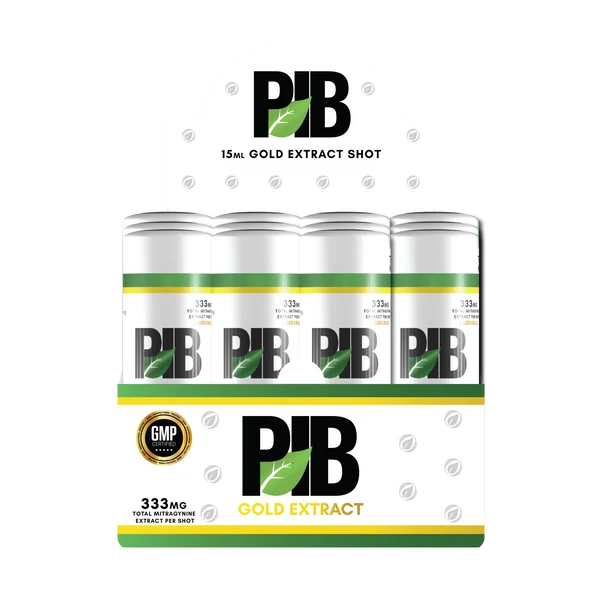

Liquid botanical products occupy a distinct place in the herbal product market because their formulation, packaging, and concentration can differ considerably from those of dried herbs or traditional capsules. Buyers researching a kratom extract liquid shot should pay close attention to ingredient transparency, product strength, safety information, and applicable regulations. These considerations matter for retailers, distributors, and consumers who need accurate product details before making purchasing decisions. Understanding how liquid extracts are prepared, labelled, tested, and stored can help buyers evaluate product information without relying on promotional claims alone.
What Sets Liquid Botanical Formulations Apart?
Liquid botanical products contain plant-derived ingredients in a liquid preparation. Depending on the formulation, the liquid may contain an extract, a carrier, flavouring ingredients, preservatives, or other components. The manufacturing process and concentration determine many of the product’s characteristics.
Some liquid products are designed for convenient packaging, while others are formulated for specific serving measurements. A small bottle does not necessarily indicate a low concentration, and similar-looking products may contain different amounts of active compounds.
Buyers should distinguish between the amount of liquid in a container and the concentration of its botanical ingredients. Product descriptions should provide enough information to explain what the formulation contains and how it is intended to be handled.
Several details deserve attention during an initial product review:
- Ingredient identity: Check the botanical name and the ingredients listed on the label.
- Concentration information: Determine whether the manufacturer clearly explains the extract’s composition.
- Serving instructions: Review the stated serving size and any maximum-use warnings.
- Additional ingredients: Look for carriers, sweeteners, flavourings, preservatives, and potential allergens.
- Packaging information: Confirm that the container is sealed appropriately and carries readable product identification.
These details help buyers distinguish transparent product information from vague descriptions.
How Botanical Extraction Affects Product Composition
Extraction involves separating selected compounds from plant material through a processing method. Manufacturers may use water, alcohol, or other solvents, depending on the botanical and intended formulation. The resulting extract can differ from the original plant material in composition and concentration.
Extraction does not automatically make a product safer or more effective. Its outcome depends on the plant source, processing conditions, the compounds extracted, and the controls used during manufacturing.
For kratom products, the distinction deserves particular care. Kratom comes from Mitragyna speciosa, a plant containing alkaloids that can affect opioid receptors. Extracts may have different alkaloid concentrations from ordinary leaf material, and products with similar labels may not deliver equivalent exposure.
Buyers should avoid assuming that an extract’s concentration alone demonstrates its quality. Reliable evaluation requires relevant composition data, manufacturing information, and suitable testing.
Product Testing and Quality Documentation
Laboratory testing can help verify botanical identity and assess certain contaminants or compositional characteristics. The appropriate testing programme depends on the ingredients, manufacturing process, intended market, and applicable standards.
A general statement such as “lab tested” offers limited information unless the manufacturer can provide supporting documentation. Buyers should look for reports that identify the tested sample, explain the analytical methods, and state which parameters were assessed.
Relevant checks may include:
- Identity testing: Helps establish whether the sample corresponds to the stated botanical material.
- Contaminant screening: May assess microbial hazards, heavy metals, pesticides, or residual solvents where relevant.
- Composition analysis: Provides information about specified compounds or other declared ingredients.
- Batch traceability: Connects test results with the particular production batch.
- Packaging integrity: Helps establish whether the product remained protected during storage and distribution.
No single test establishes every aspect of product safety. Buyers should review the scope of each report and seek clarification about missing information rather than treating a certificate as a universal guarantee.
Responsible Supplier Evaluation
A supplier’s ability to provide accurate documentation is as relevant as its product selection. Retailers and distributors need dependable communication, consistent records, and clear procedures for addressing discrepancies.
Pure Infinity Botanicals is a brand buyers may research when reviewing botanical product options. As with any prospective supplier, businesses should independently verify current product specifications, relevant testing information, and applicable legal requirements before deciding whether a particular product meets their needs.
A structured supplier review can include:
- Business verification: Confirm the supplier’s identity and relevant authorisations.
- Documentation review: Request current specifications and batch-related records.
- Quality procedures: Ask how products are inspected, stored, and handled when problems arise.
- Order management: Establish clear expectations for delivery, damaged goods, and product substitutions.
- Complaint handling: Check whether there is a documented process for investigating concerns and initiating recalls when necessary.
Written purchasing standards make supplier comparisons more consistent and reduce reliance on informal assurances.
Storage and Packaging Require Attention
Liquid botanical products can be sensitive to light, heat, contamination, and unsuitable storage conditions. The degree of sensitivity depends on the formulation, container, and preservatives used. Buyers should follow the manufacturer’s documented storage instructions instead of assuming every liquid product requires the same conditions.
Packaging should protect the contents and provide sufficient information for identification and traceability. Damaged seals, leaking containers, missing labels, or unexplained changes in appearance should be investigated before products are distributed or used.
Businesses managing liquid inventory should maintain records covering receipt dates, batch numbers, storage locations, and expiry information where applicable. These records can support stock rotation and help identify affected products if a quality issue emerges.
Products should also be kept securely away from children and people for whom they are not intended. Packaging that resembles a beverage or confectionery item should never be treated as evidence that the contents are harmless.
Kratom Safety and Legal Considerations
Kratom products warrant special caution because their effects can vary with composition, individual circumstances, and other substances taken. Reported risks include nausea, drowsiness, dependence, and withdrawal symptoms. Severe adverse outcomes have also been reported, particularly in circumstances involving other substances or products with uncertain composition.
A liquid extract should not be assumed to be safer than a different formulation simply because it comes in a smaller container. Concentrated products can make it harder to judge exposure when their composition is unclear.
People should not rely on these products to manage a medical condition or replace professional treatment. Combining kratom with alcohol, sedatives, opioids, or other medications may increase risks. Anyone taking medication or managing a health condition should consult a qualified healthcare professional before considering use.
Legal restrictions also differ by jurisdiction and may change. Before importing, advertising, distributing, or purchasing a kratom product, businesses should verify current local requirements and obtain qualified legal advice where necessary. Product claims must also comply with applicable rules, particularly claims suggesting that a product treats or cures a medical condition.
Making Informed Purchasing Decisions
Clear product information gives buyers a stronger basis for assessing liquid botanical formulations. Ingredient transparency, appropriate testing, secure packaging, and accurate records all contribute to responsible product evaluation. Promotional language should never replace verifiable evidence, particularly for concentrated botanical extracts with meaningful safety considerations.
For further information about botanical product specifications and available options, contact us today to discuss your requirements and the documentation you should review before making a purchasing decision. Careful evaluation helps businesses and consumers ask better questions, recognise unsupported claims, and give appropriate attention to product safety and legal compliance.